



VIRTUAL FIELD TRIP
Antarctic Science
Researcher Bios



Jamin Greenbaum - Scripps Inst. of Oceanography, UC San DiegoJamin S. Greenbaum studies ice-ocean interactions and subglacial and continental shelf geology using aerogeophysical and oceanographic data and numerical models. He has conducted twenty polar field expeditions where he and his teams acquired geophysical data from airborne, marine, and other mobile platforms. A former Fulbright U.S. Scholar, he is an Explorers Club EC50 awardee and a finalist for the Shackleton Medal for the Protection of Polar Regions, and has also received the Antarctica Service Medal and a NASA Group Achievement Award. He is an Assistant Research Geophysicist at the Scripps Institution of Oceanography at the University of California San Diego.
.png?width=400&height=400&name=Jamin%20Greenbaum%20Circle%20(1).png)
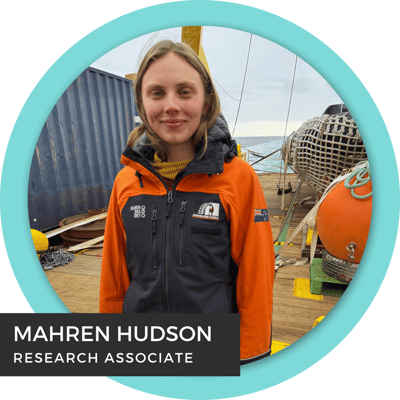
Mahren Hudson - University of California, Davis
Mahren Hudson is a research associate working with the UC Davis Tahoe Environmental Research Center (TERC). She is currently on board the South Korean icebreaker R/V Araon as part of an international research team studying the Thwaites and Pine Island glaciers. Mahren and her teammates are deploying an autonomous underwater vehicle, a glider, into Pine Island Bay to map water masses as they move in the bay and under the Pine Island Ice Shelf. The team is looking at fluxes of warm water going under (towards) the shelf that leads to melt, and fresh meltwater coming out from the ice shelf.
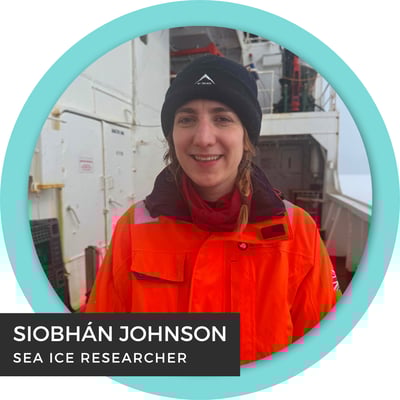
Siobhán Johnson - British Antarctic SurveySiobhán Johnson studies Antarctic sea ice—a critical component of Earth's climate system—to better understand how climate change is transforming the polar regions and affecting our planet. Her research focuses on improving climate models and satellite observations of sea ice by collecting and analyzing ice core samples from remote regions, including near the Thwaites Glacier. Johnson has led sea ice research teams on expeditions to Antarctica and has published methods for analyzing ice cores using advanced chemistry techniques. This is her fifth research trip to Antarctica, where she investigates how sea ice interacts with ocean heat and influences the entire Antarctic ecosystem. She is finishing her PhD at the University of Cambridge and British Antarctic Survey.
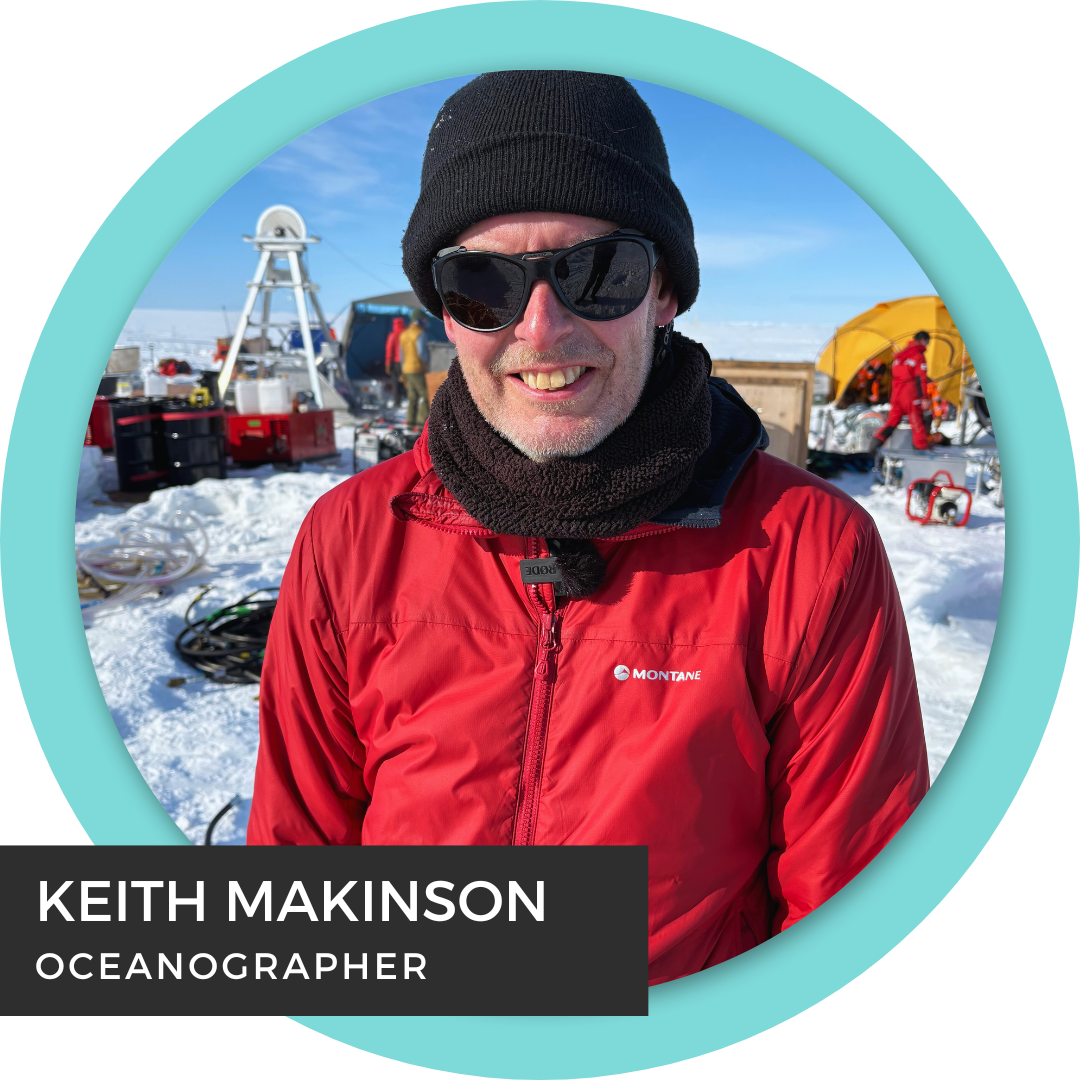
Keith Makinson - British Anarctic SurveyKeith Makinson is an oceanographer and drilling engineer with research interests centered on the fields of polar oceanography and glaciology. He focuses on the measurement and modelling of sub-ice shelf ocean circulation, numerical modelling of ice-ocean interactions, and sub-ice shelf ocean mixing–particularly the influence of tides in these environments. As a drilling engineer, he has worked extensively on hot water drilling–designing, developing, maintaining, and operating the British Antarctic Survey hot-water drills. These drills provide subglacial access holes through ice shelves, ice streams, and ice sheets, ranging in thickness from a few hundred meters to over 2 km. In addition to his position with the British Antarctic Survey, he is a visiting Professor at the School of Engineering and Technology, China University of Geosciences (Beijing).
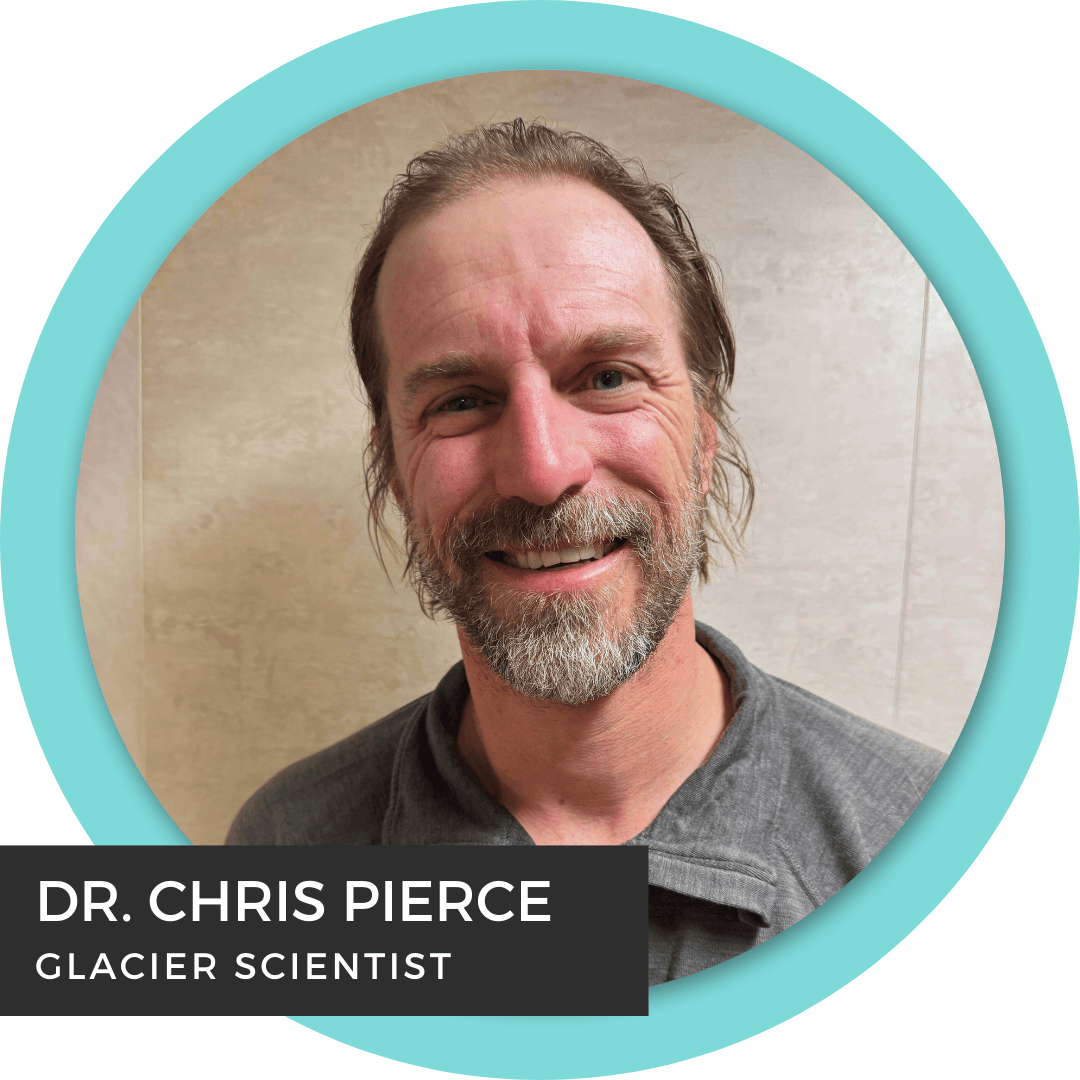
Dr. Chris Pierce - Montana State UniversityChris Pierce uses airborne radar to investigate conditions beneath Arctic and Antarctic glaciers. He brings extensive field experience to his work, having spent multiple seasons conducting research in Antarctica and the Canadian Arctic, where he manages complex logistics, instrument engineering, and safety operations in some of Earth's most challenging environments. He is a Research Professor in Arctic and Antarctic Glaciology at Montana State University. Beyond his academic pursuits, he has spent a decade in Search and Rescue operations and four years as an avalanche instructor and backcountry guide–giving him a unique perspective on operating safely and effectively in extreme conditions.
David Holland - New York UniversityDavid Holland is a scientist whose work focuses on the polar regions and their influence on global weather and climate. His research centers on computer modeling of interactions between Earth’s major ice sheets and the ocean, as well as the collection and integration of observational data to improve models. He is a Professor of Mathematics and Environmental Science at the Courant Institute of Mathematical Sciences at New York University, Director of the Environmental Fluid Dynamics Laboratory (EFDL) in New York City, and a Fellow of the American Geophysical Union (AGU).
.png)
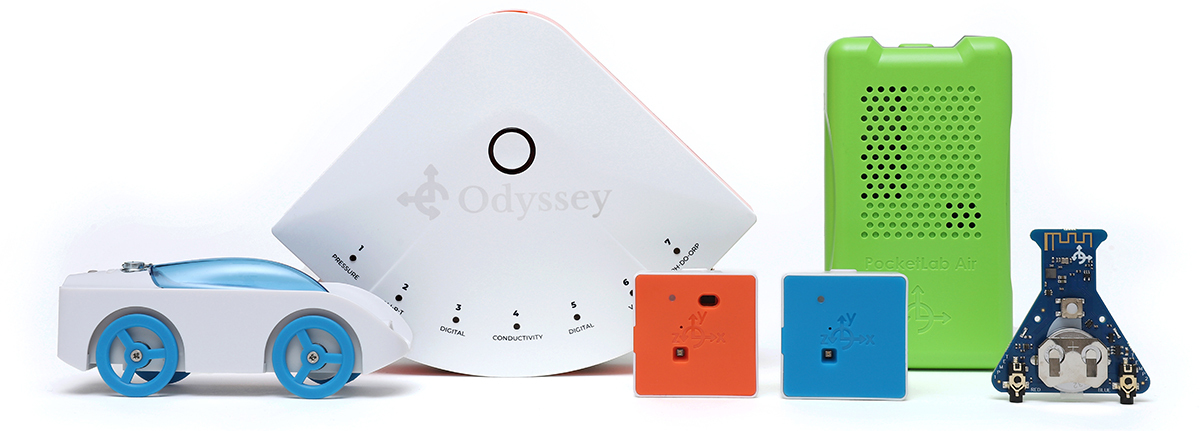
- Instantly record 30 different measurements such as acceleration, speed, distance, pH, air quality, temperature, humidity, magnetic fields, CO2 and more
- Multi-function, compact and wireless
- Intuitive design facilitates quicker lab prep. Learning just one sensor prepares students for them all.
-
Wirelessly connects with any PocketLab sensor
-
Hundreds of ready-to-use lessons included
- Built-in AI tools help differentiate lessons
-
Real-time data visualization for inquiry learning


© 2026 PocketLab by Myriad Sensors, Inc.