


3 min read
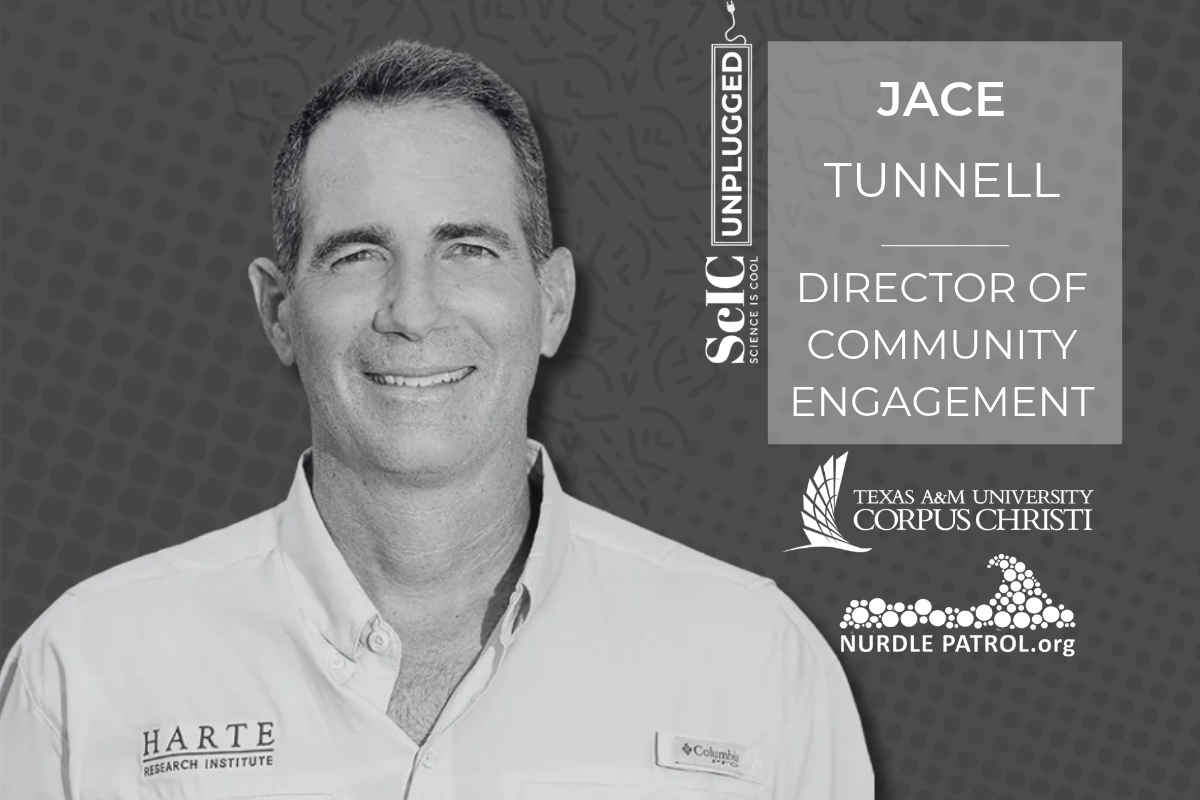

How can a plastic pellet the size of a lentil start a full classroom investigation? On this episode of Science Is Cool Unplugged, marine debris educator Jace Tunnell of the Harte Research Institute at Texas A&M University–Corpus Christi introduces nurdles, the small plastic pellets that are the raw material for nearly every plastic product we use. He follows them from the factory floor to the shoreline. Along the way, he gives K–12 science teachers a ready-made phenomenon for teaching watersheds, ecosystems, and human impact on the environment.
What Are Nurdles?
Jace describes nurdles as primary plastic: pellets that have never been made into anything. Most plastic pollution on beaches is secondary plastic, the broken-down remains of bottles, bags, and packaging. Nurdles are different. Only the plastics industry makes, ships, and melts them down, so a nurdle on the beach points straight back to a leak somewhere in the supply chain. For students, telling primary plastic from secondary plastic is a strong first step in reasoning about where pollution comes from.
How Plastic Pellets Get into Waterways
Pellets can escape at every stage: during production, in transport by truck, rail, and ship, during unloading, and outside recycling facilities. Jace explains that railroad hopper cars can leak pellets along the tracks when their caps aren't put back on for the return trip. Of roughly 200 surveys along U.S. railroads, about 90 percent found nurdles. Rain then carries the pellets into storm drains, rivers, bays, and eventually the ocean. On the Gulf Coast, a barge spill once left the shoreline in New Orleans covered inches deep in pellets. Around Galveston Bay, volunteers commonly count 500 to 1,000 nurdles in a ten-minute survey.
Microplastics in the Aquatic Food Web
Jace notes that research puts a nurdle's lifespan in the environment at 200 to 400 years. Nurdles don't dissolve. They break into smaller and smaller pieces, and the smaller they get, the more organisms can eat them. Filter feeders like oysters take in plastic along with everything else in the water, and those oysters end up on our plates. Students can follow that path from storm drain to dinner table and use it to model how pollutants move through an ecosystem.
Citizen Science with Nurdle Patrol
Since 2018, Nurdle Patrol volunteers have run ten-minute surveys on beaches, lakeshores, riverbanks, and railroad lines, then reported their counts, locations, and dates at http://nurdlepatrol.org . Zero counts matter too. As Jace puts it, "even zero is data to us." The project's map standardizes every survey to one person searching for ten minutes, so sites around the world can be compared fairly. All of the data is open access. Researchers, nonprofits, and classrooms can download it by state, by a custom map area, or as a complete dataset. That makes it an authentic resource for graphing, comparing locations, and asking why some places see far more pellets than others.
Recycling, Single-Use Plastics, and the Circular Economy
Jace is clear that he isn't against plastic. It makes cars lighter and hospitals cleaner, and it's in the computer and microphone he used to record the episode. The bigger problem is single-use plastic. Recycling rules vary widely from city to city: Corpus Christi, for example, doesn't accept plastic film, straws, bottle caps, or unwashed food containers. And a recycled water bottle usually comes back as something like carpet backing, not another bottle. That leads to the idea of a circular economy, in which products are designed to be fully reused or recycled. It's a strong discussion topic for asking students where solutions to plastic pollution should begin.
A Free Nurdle Patrol Teacher Kit
Teachers can request a free Nurdle Patrol teacher kit at http://nurdlepatrol.org . Each kit includes six vials of nurdles collected from the environment and a flash drive of grade-level curriculum. Students work in small groups to investigate the problem and design solutions. About 4,000 kits have been sent to classrooms so far. For a weekly class opener, the Harte Research Institute also posts short beachcombing videos on YouTube, most under ten minutes, covering whatever washes up on the Texas coast.
Listen to the Episode
Listen to Jace Tunnell on Science Is Cool Unplugged for a classroom-ready look at plastic pollution, citizen science, and how small observations add up to a larger scientific picture.
Harte Research Institute on YouTube: https://www.youtube.com/@HarteResearch
Nurdle Patrol: https://nurdlepatrol.org/
ABOUT JACE
Jace Tunnell is the HRI Director of Community Engagement at the Harte Research Institute at Texas A&M University-Corpus Christi. Jace is the founder of a citizen science project called Nurdle Patrol that tracks plastic pellet concentrations internationally to create awareness of plastics in the ocean and develop new policy based on the data. He also directs and produces a video series called "Beachcombing" about items washing up along Gulf beaches to help promote awareness on processes and interesting creatures in the ocean. His conservation efforts include educating the public about plastic pollution, marine science, and protection of our natural resources.
Jace received a Master's degree in Marine Biology from Texas A&M University-Corpus Christi in 2001.
