


Your Backyard Is a Lab: Hawaii's Lesson for Every Science Teacher with Lauren Kaupp
Explore Hawaii's unique scientific resources and how educators can inspire curiosity in students through local research and hands-on learning...
2 min read
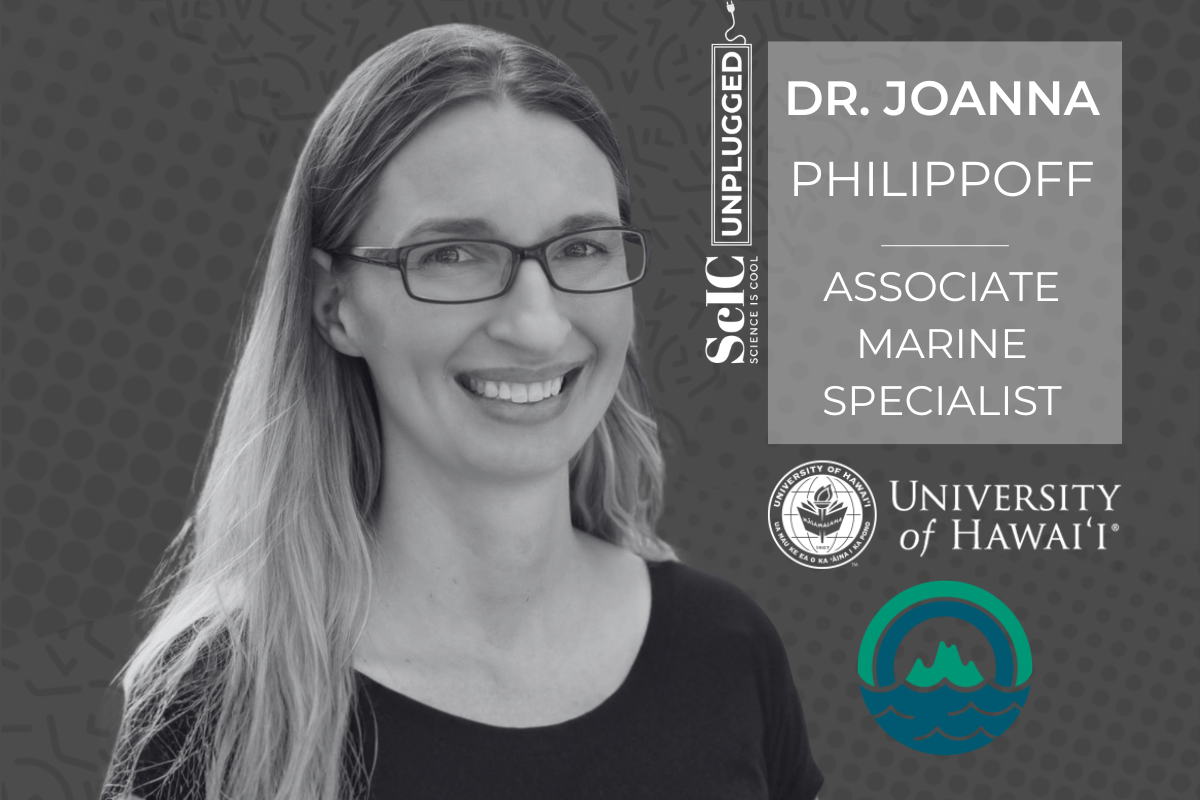

Hawai‘i is a living laboratory, but most students never get close to it. Joanna Philippoff explains how place-based marine science can pull kids, teachers, and communities into the ocean through simple, hands-on experiences that make science feel real.
From rocky intertidal tide pools to wave tanks, this conversation makes a strong case for teaching science through the environment right outside your door. Dave and Joanna unpack why Hawai‘i is uniquely positioned for this kind of learning, how Hawaiian language and culture deepen the work, and why getting students to touch, measure, and observe living systems changes what they believe science can be.
You’ll discover:
Joanna also shares how partnerships with teachers and community organizations can turn science into something students do, not just memorize. Along the way, the conversation widens into a bigger challenge: how to fix a system that often makes science harder than it needs to be for teachers and kids alike.
If you care about science education, marine ecology, or creating classrooms that build curiosity and agency, this one is essential listening. It’s practical, hopeful, and full of ideas you can actually use.
Watch Joanna's session from Science is Cool 16 (PD certificate included)
Access free Hawai‘i lesson resources
Hawai‘i Blue School School Hui
The Blue School Global Network
Example Hawai‘i curriculum linked to Ocean Literacy: Exploring Our Fluid Earth and Sea Earth Atmosphere
National Marine Educators Conference 2027
OPIHI - Our Project in Hawaiʻiʻs Intertidal
Selected OPIHI activities on sampling
Dr. Joanna Philippoff is an Associate Specialist in the School of Life Sciences in the College of Natural Science at the University of Hawai‘i at Mānoa (UHM) and the Director of the Marine Option Program for the University of Hawai‘i System. She earned a Ph.D. in Educational Psychology and Master of Science in Zoology from UHM, and a B.A. in Biology from the University of Delaware. She designs, implements, evaluates, and does research on and about science education—mainly in marine science undergraduate and teacher professional learning, participatory science, and curricula projects.
Joanna developed a passion for science as a child growing up on the East Coast, and while working on her Master’s Degree, she realized that she loved teaching others about ocean science. She continues to serve as a science consultant and publish in scientific journals, while being a champion of Marine Science education. Her roles have included leadership positions in the national and local chapter of the National Marine Educators Association, co-authorship of the Exploring Our Fluid Earth curriculum, and head of the long-running Our Project In Hawai‘i’s Intertidal (OPIHI) project.
Deeply rooted in her community, Joanna has lived and worked in Hawai‘i for over 20 years as a student, researcher, educator, and faculty member. Her family lives in Ko‘olaupoko and she can often be found conducting limu and other intertidal surveys with teachers and community members or at home baking with her daughter.

Explore Hawaii's unique scientific resources and how educators can inspire curiosity in students through local research and hands-on learning...
Meet Bryan Silver, Hawaii's 2025 Teacher of the Year. Discover how this engineering & robotics teacher builds hands-on STEM programs that inspire...
Explore how Hawaii's indigenous science inspires young learners, blending ancient wisdom with modern STEM education for a sustainable future.