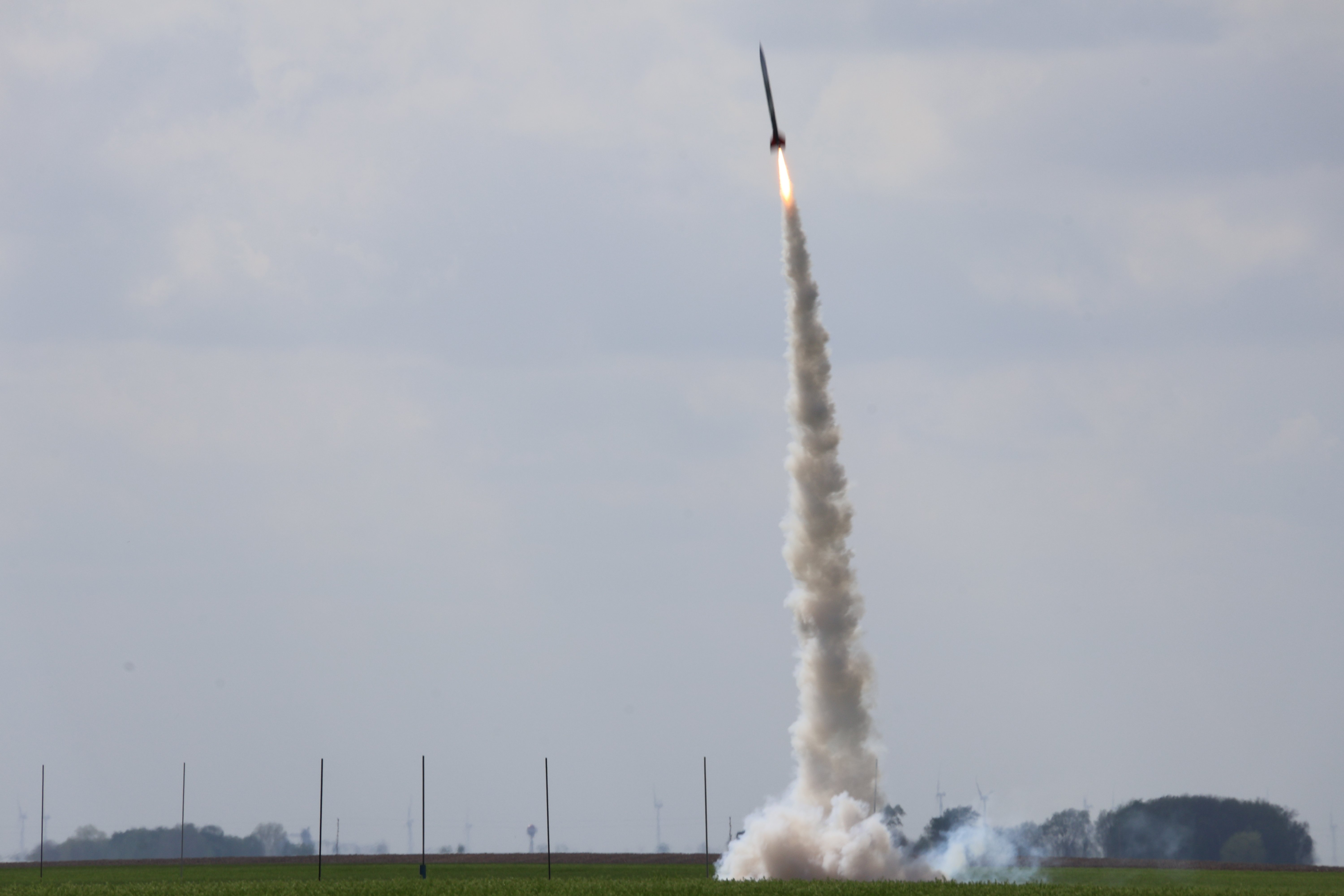
From the Classroom to Orbit: PocketLab Sensors Headed to the ISS 🚀
PocketLab was founded on a simple idea: students learn science best by doing.
What started as a Stanford-born concept has grown into a global, hands-on science platform used by more than 2 million students across nearly 20,000 U.S. schools. Today, that same belief in experiential learning is reaching an entirely new frontier: low Earth orbit.
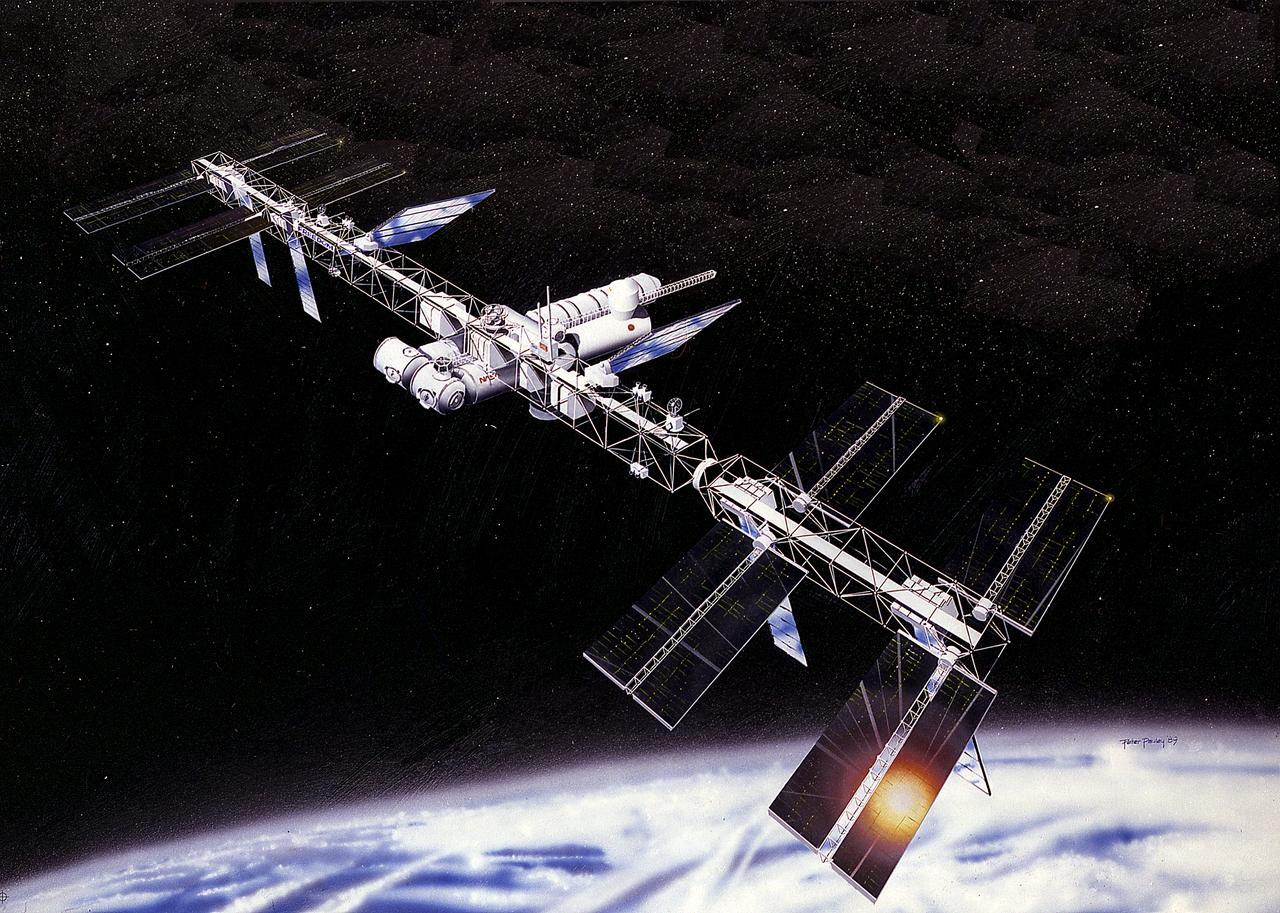
In partnership with Voyager Technologies, PocketLab is preparing to send a lightweight, multi-function sensor (also named Voyager!) to the International Space Station (ISS), giving students on Earth the unprecedented opportunity to run the same experiments as astronauts in microgravity.
This mission is made possible through a grant from the ISS National Laboratory, translating classroom innovation into a flight-ready ISS experiments.
PocketLab sensors are already familiar tools in classrooms around the world. Great for learners Grade 3 through post secondary, PocketLab Voyager packs more than a dozen measurement capabilities, including:
Acceleration and rotation
Temperature and humidity
Distance and motion sensing
Soon, that exact same sensor will operate aboard the ISS.
Astronauts will perform simple, repeatable experiments in microgravity, while students conduct identical experiments back on Earth. By comparing data sets, students will see, not just imagine, how gravity (or the absence of it!) changes physical behavior.
Concepts like free fall, motion, and forces suddenly become real, measurable, and personal.
Turning the ISS Into a Classroom
Students won’t just read about spaceflight- they’ll analyze real data from orbit. They won’t just learn physics- they’ll do physics, imagining they're side by side with astronauts. They won’t just imagine careers in STEM- they’ll see a pathway from classroom curiosity to space exploration and beyond.
This is what authentic and impactful science education looks like.
What’s Next?
PocketLab Voyager is scheduled to launch to the ISS in 2026 — and this is just the beginning.
✨ Stay tuned.
Curious about brings PocketLabs to your Classroom?




-1.png)