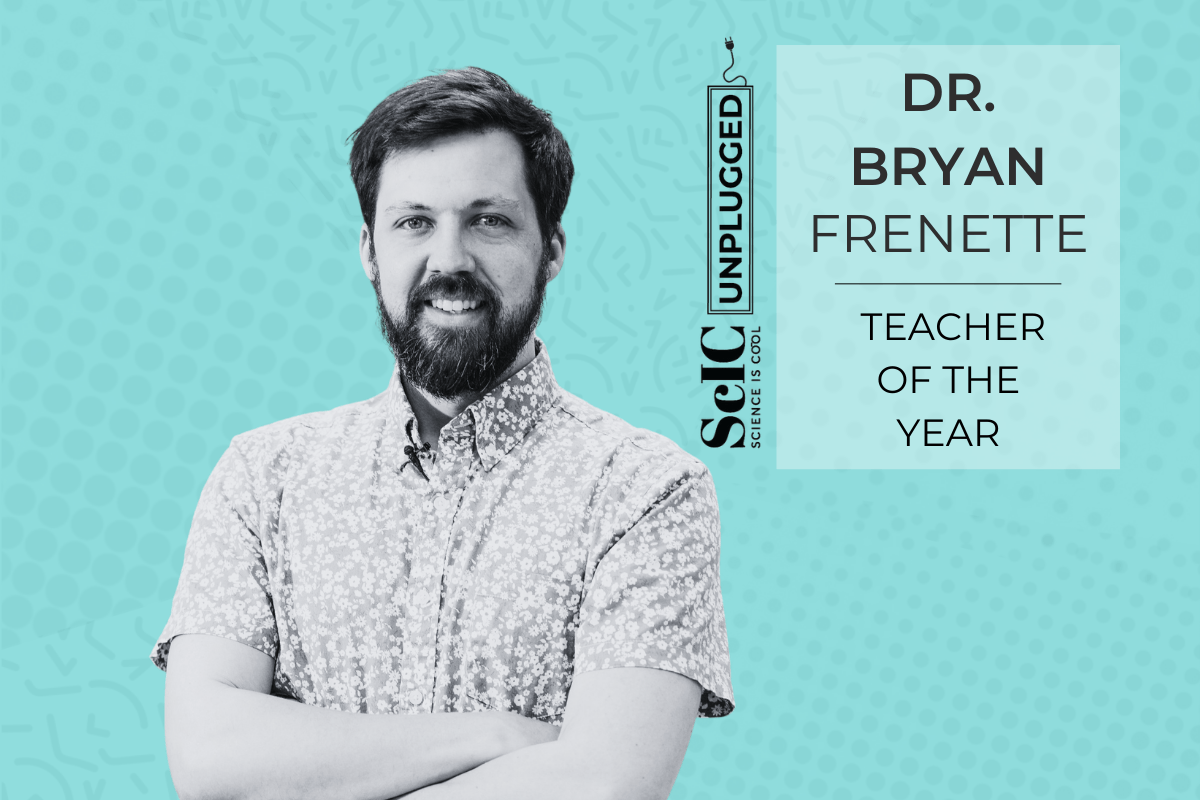
Dr. Bryan Frenette, a high school science teacher and former researcher, shares his journey and insights into creating engaging and inclusive science classrooms. He discusses the transition from research to teaching, emphasizing the challenges and strategies involved in managing classroom chaos and fostering an effective learning environment. Bryan highlights the importance of hands-on learning with real-world measurements and manipulatives, as well as the integration of AI tools like real-time translation and infographic generators to enhance science instruction. He also addresses the significance of engaging multilingual students and supporting English language learners, while building student ownership through collaborative rule-making and setting classroom expectations.
Bryan further explores the impact of the digital age on education, balancing virtual tools with traditional methods, and preparing students for a workforce increasingly dominated by digital skills and AI literacy. He reflects on the effects of the pandemic on learning and the recovery process, emphasizing the role of local phenomena and culturally relevant examples in science education. The episode underscores the importance of student-centered, real-world learning approaches, and the surprising success of chaotic classrooms for neurodivergent students. Bryan's expertise offers valuable insights into navigating the challenges and opportunities of modern science education, making it a must-listen for educators seeking to innovate and inspire in their teaching practices.
ABOUT BRYAN
Dr. Bryan Frenette is a Canadian-born biologist who earned advanced degrees in ecology before transitioning to education. As a biology teacher at Norman High School, he focuses on inspiring students, promoting scientific curiosity, and supporting diverse learners. He emphasizes making science accessible and engaging, especially for students who initially feel they are “not science people.” His teaching approach focuses on building curiosity and encouraging students to see science as a field open to everyone.




.png)
.png)