Why can students who ace algebra freeze in physics? Because they know how to do the math but not when to use it. In his CAST session Engaging Exceptional Students: Bridging the Gap Between Math and Science, educator Garth Orr lays out a four-part framework (Align, Connect, Scaffold, Practice) that helps students carry math skills into science class, and shows how a PocketLab Voyager sensor turns the framework into a hands-on lesson built on real data.
Garth has spent 18 years in education, including seven teaching math and physics in Dallas ISD. He holds an MA in Science Education with a physics emphasis, and is a Certified Texas Educator in Math and Physics 8–12. Today he works as a private educator through EducatOrr, LLC, partnering with schools and teachers across Dallas.
What is the math-science transfer gap?
The math-science transfer gap is when students have learned a math skill (slope, linear functions, solving equations) but fail to recognize and apply it in a science context. Garth first saw it at Parish Episcopal School, most clearly in freshman physics. His summary: "Students know HOW to math. They don't always know WHEN to math." The math and science departments worked together to close the gap, and the results showed up in his own students.
Why don't students transfer math skills to science?
Students fail to transfer math to science because the two subjects dress the same math in different clothes. Different vocabulary, different symbols, and a different order of abstraction make a familiar skill look like a brand-new one. Garth identifies six specific breakdown points.
- The vocabulary isn't the same. Math says slope, science says rate of change. Linear regression becomes line of best fit, y-intercept becomes starting point, and solve becomes manipulate. Students reasonably conclude that if the words are different, the skill must be too.
- The paths through abstraction run in opposite directions. Math starts with symbols and numbers and may add physical meaning later. Science starts with the physical world and uses math to model it.
- Science uses more complex symbols. Math mostly uses x and y. Science uses many letters, Greek symbols, and subscripts. y = mx + b becomes v = at + v0, and subscripts are, in Garth's words, "a big killer."
- Symbols share letters with units. In math, m is slope. In science, m can be slope, mass, or meters, and anything (say, time) can sit on the x-axis.
- Units can hide the math. A simple linear equation such as v = 3t + 1 can be completely obscured once units like m/s and m/s² are attached to every term.
- Math is the goal in one class and a tool in the other. Math teachers show every step and explain every decision. Science teachers, focused on the concept, often skip steps. As Garth puts it, a carpenter doesn't explain how a hammer works every time she uses it, but some apprentices haven't yet carried that knowledge into the new workshop.
How does the math gap affect science instruction?
The gap costs instructional time and slows scientific reasoning. Teachers end up reteaching "science math" that students already learned but don't recognize, which drains both student and teacher energy. Garth describes science instruction as a layer cake of concept, vocabulary, and math: if the base layers are shaky, the science concept becomes much harder to teach and learn. "When students are bogged down in the math, they can't see the science."
Why is the gap harder for neurodivergent students?
Every student feels these effects, but they fall especially heavily on students with ADHD, dyscalculia, autism, and executive function differences. Garth highlights four pressure points:
- Context switching. Math class offers repeated practice with consistent representations, while science applies those same skills across a wide variety of new contexts. Students may not recognize that the operations are identical.
- Working memory. A single physics problem asks students to hold the science concept, the physical situation, the variables, the units, the equation, the math process, and the goal in mind at once.
- Executive function. Deciding "what do I do next?" while sequencing both new science and unfamiliar-looking math means managing two problems at the same time.
- Sensory overload and dysregulation. Dense, unit-heavy pages can be visually overwhelming, and repeated failure to switch contexts can lead to frustration, anger, and self-doubt.
What are the 4 strategies for bridging math and science?
Garth Orr's framework for math-science transfer uses four tools: Align with the math students already know, Connect by making familiar math structures visible, Scaffold to reduce unnecessary cognitive load, and Practice transfer deliberately. Together they let science teachers build on existing math knowledge instead of teaching a second version of it.
1. Align: don't teach a second version of the math
Math teachers are the math-teaching experts, so use them. Practice horizontal planning and ask the math department three questions: How do you teach this? Can I teach it the same way? What format and work should both departments consistently expect from students?
2. Connect: name the math students already know
Garth calls explicit vocabulary connection the biggest return on investment. Don't abandon science vocabulary; build the bridge out loud: "Acceleration is a rate of change. In your math class, you would call this the slope." Use both terms at first, then interchangeably as students progress. Useful pairs include:
- Slope ↔ rate of change
- Regression ↔ line of best fit
- Y-intercept ↔ starting point
- Solve ↔ manipulate
- Function ↔ formula; graph ↔ model
- Definite integral ↔ area; derivative ↔ instantaneous rate of change
- x ↔ independent variable; y ↔ dependent variable
Post these pairs on classroom walls (student-made posters earn bonus points), and make the underlying structure explicit. For example, v = at + v0 is simply y = mx + b: the slope is the acceleration, the y-intercept is the starting velocity, and time is the independent variable. Sentence frames help students practice: "The formula for position with acceleration is ___. In your math class you call this a ___ function. The parent function is ___." (Answers: x = x0 + v0t + ½at², quadratic, y = x².)
3. Scaffold: reduce decisions that aren't the learning goal
A shared problem-solving strategy isn't just a method; it offloads executive-function demands (where to start, what matters, which equation applies, what comes next) into a predictable structure. Garth recommends the GUESS method, posted in both math and science classrooms:
- Givens: What do you know?
- Unknowns: What do you need to find?
- Equation: What equation(s) apply?
- Substitute: Plug in your values.
- Solve: Solve the equation.
Where possible, also separate the cognitive loads: solidify the concept and vocabulary first, then add the math using the methods students learned in math class.
4. Practice: treat transfer itself as a skill
Have students translate between "math math" and "science math." Give them a position vs. time graph and ask: On this graph, velocity is the ___ of the line. What is the slope? What is the y-intercept, and what does it mean physically? What is the equation for a linear function? Vocabulary matching activities (slope ↔ ___, ___ ↔ line of best fit) build the same muscle.
How can PocketLab sensors help bridge the math-science gap?
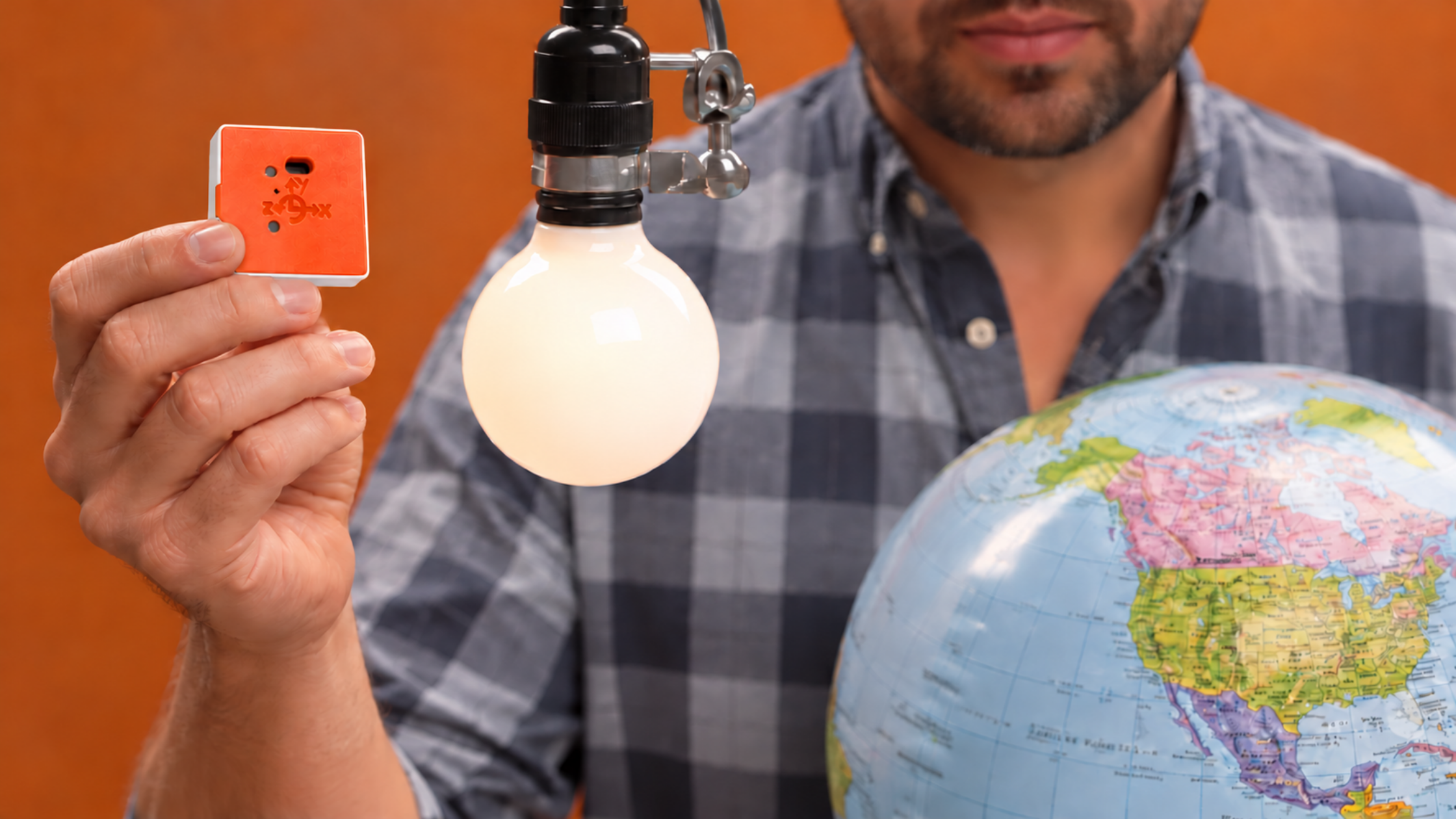
PocketLab sensors give students real, graphed data from their own experiments, which is the ideal raw material for practicing math-science transfer. A single PocketLab Voyager streams acceleration, position, temperature, pressure, and more over Bluetooth into live graphs, so students can find slopes, intercepts, and lines of best fit in data they collected themselves.
In Garth's workshop, teachers connect a PocketLab Voyager and spend a few minutes simply exploring it before building a lesson. As he tells participants, "The sensor isn't the lesson. It's simply going to give us some real data to work with." That's the point: the sensor removes the tedium of manual data collection so class time goes to the math-science connections.
Things students can measure with one PocketLab Voyager include:
- Acceleration and angular velocity
- Magnetic field
- Distance (rangefinder)
- Quaternion orientation
- Temperature (probe and ambient)
- Barometric pressure and altitude
- Light intensity
- Humidity, dew point, and heat index
How do you build a math-science transfer lesson with PocketLab Voyager?
To build a transfer lesson with PocketLab Voyager, collect a simple data set, save the graph, then write questions that analyze the data while making the math connections explicit. This mirrors the hands-on task Garth gives teachers, applying all four strategies (Align, Connect, Scaffold, Practice) to one real-world graph.
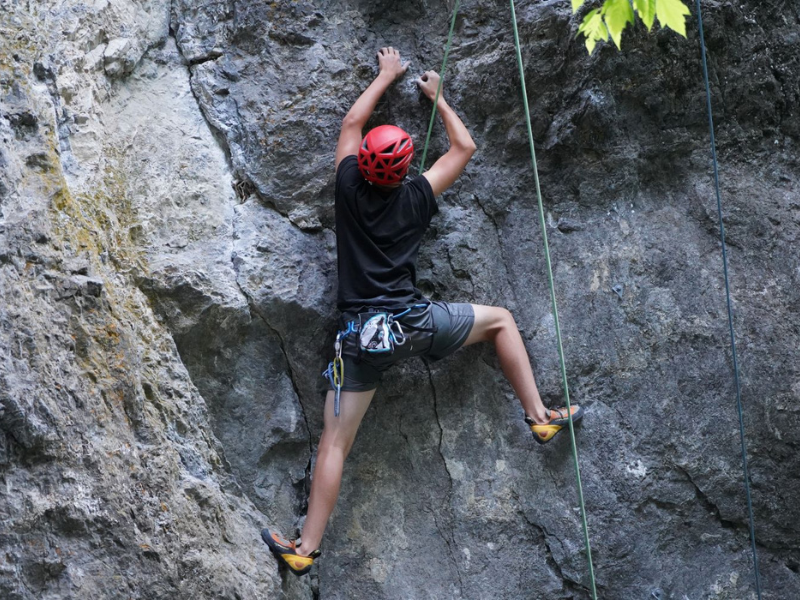
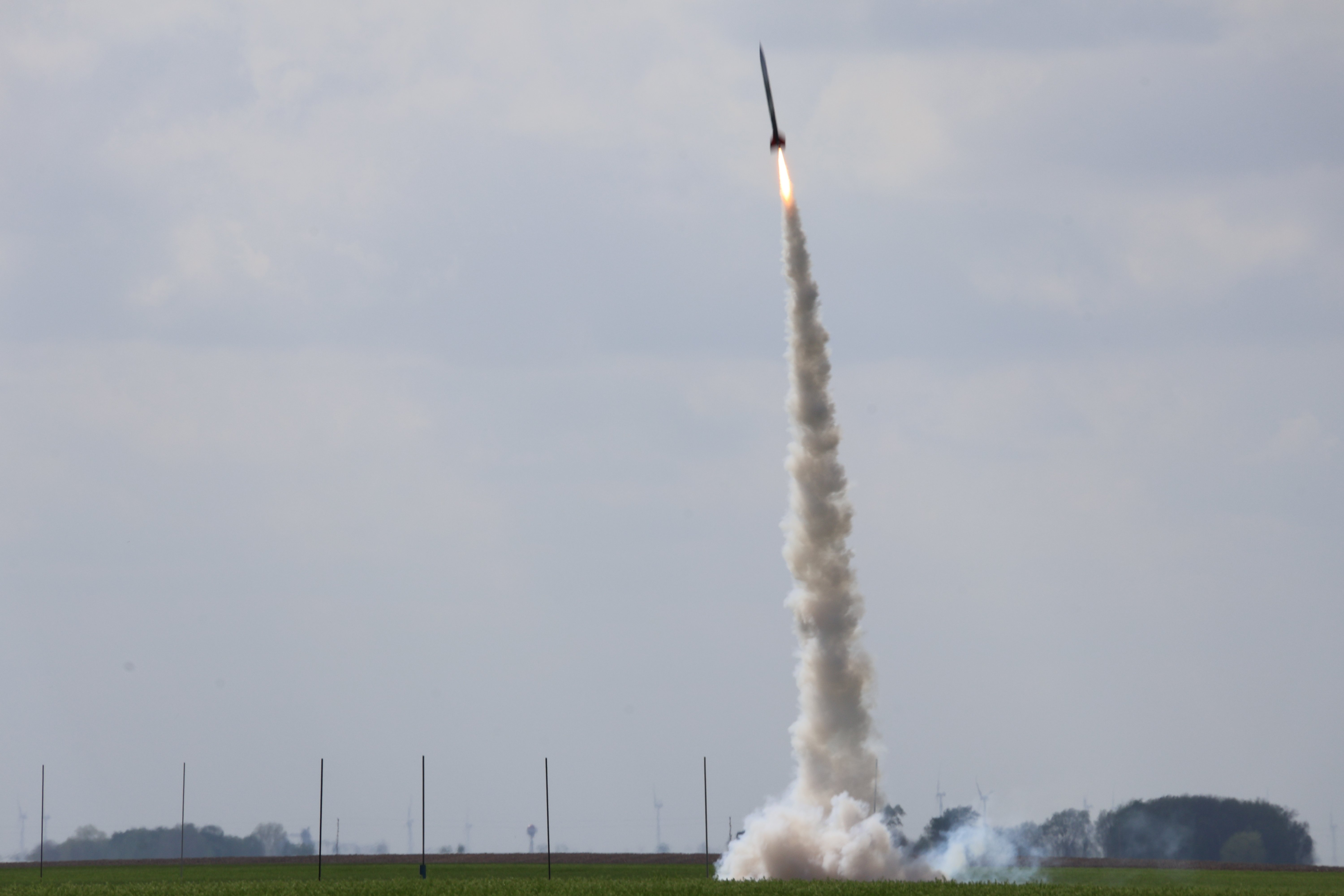
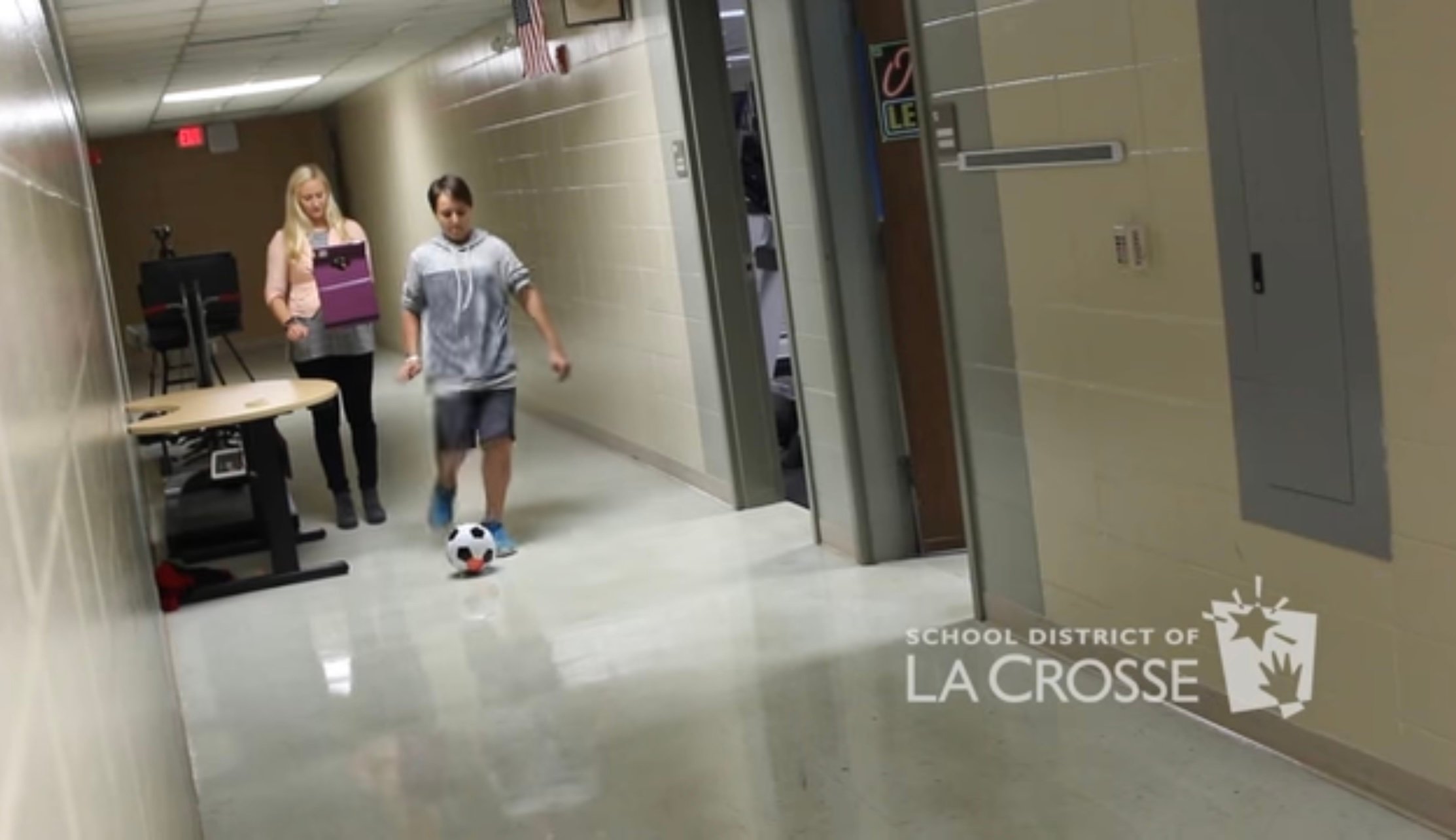
- Collect simple data with your PocketLab Voyager. Keep it short and clean. A cart rolling away from the rangefinder produces a position vs. time graph; a cooling cup of water produces a temperature vs. time curve; an elevator ride produces a steady altitude change.
- Save the graph of your data as the sample students will analyze.
- Write a set of questions that:
- analyze the data,
- make the math-science connections explicit,
- identify the math students already know, and
- remove unnecessary cognitive load.
Example prompts for a position vs. time graph from the Voyager rangefinder:
- Is this graph linear? What kind of function is it in math class?
- Velocity is the ___ of this line. How do you calculate slope?
- What is the y-intercept, and what does it tell you about where the cart started?
- Determine the average velocity.
- Write a mathematical model (x = vt + x0) that describes the motion, then rewrite it as y = mx + b.
Garth's closing line sums up the whole approach: Don't reteach the math. Build a bridge.
Frequently asked questions
What does "students know how to math but not when to math" mean?
It means students have mastered math procedures, like finding slope or solving a linear equation, but don't recognize when a science problem calls for that same skill. Different vocabulary, symbols, and units make the familiar math look new.
What is the GUESS method in science?
GUESS is a five-step problem-solving strategy: Givens, Unknowns, Equation, Substitute, Solve. Using it in both math and science classes gives students one predictable structure, reducing executive-function load so they can focus on the science concept.
How can science teachers support neurodivergent students in math-heavy lessons?
Reduce working-memory and executive-function demands: teach concepts and vocabulary before adding math, use a consistent problem-solving structure like GUESS, connect science terms explicitly to math terms, and keep pages uncluttered to avoid sensory overload.
What can a PocketLab Voyager measure?
The PocketLab Voyager measures acceleration, angular velocity, magnetic field, distance, orientation, probe and ambient temperature, barometric pressure, altitude, light intensity, humidity, dew point, and heat index, all from one wireless sensor that graphs data in real time.
Should math and science departments plan together?
Yes. Garth recommends horizontal planning so science teachers teach math the same way the math department does, and both departments expect the same format of student work. Consistency means students don't learn a second version of skills they already have.
Bring real data into your math-science lessons
Want to learn more from Garth Orr? Visit garthorr.com or email garth@garthorr.com.
Get a PocketLab Voyager for your classroom →
Explore all PocketLab sensors →