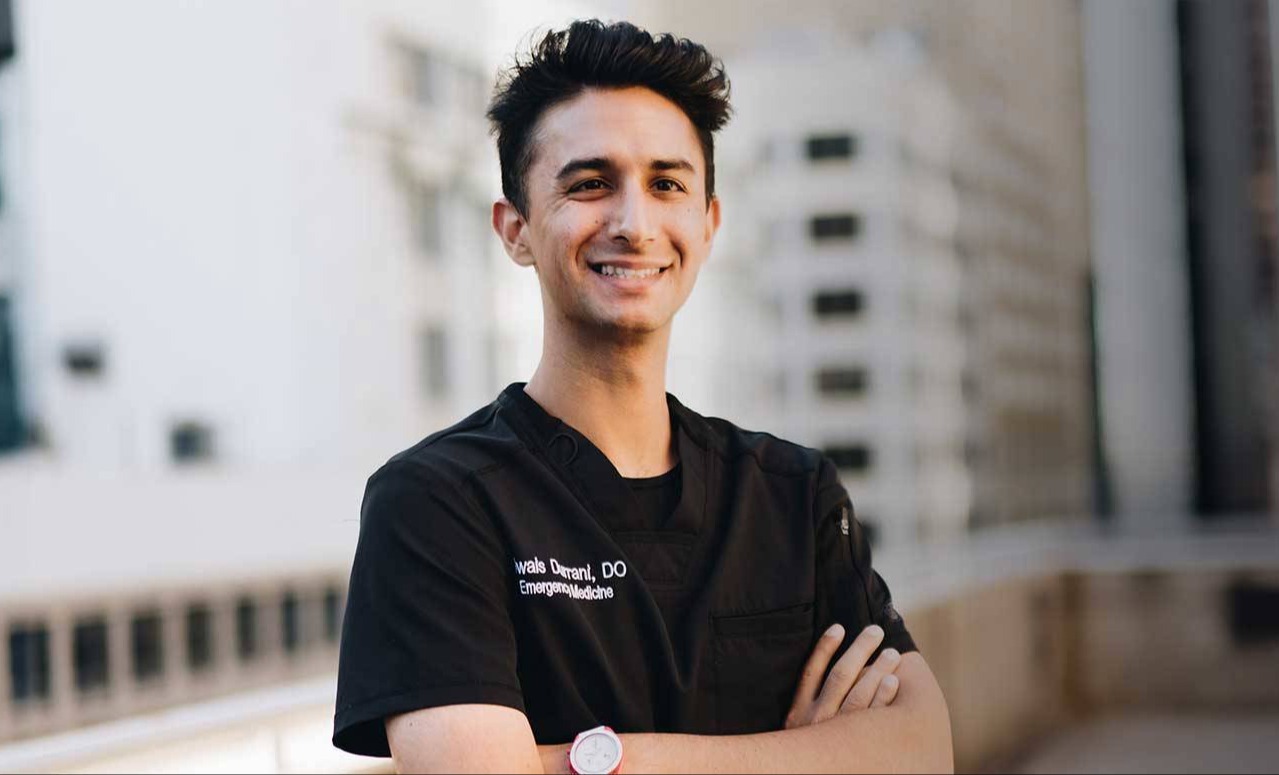
By Dr. Owais Durrani | Emergency Physician & Host of STEM City on NBC Houston
STEM City Channel in the free PocketLab Notebook Lesson Library
I'm an emergency medicine physician. My world is fast, unpredictable, and high-stakes. I spend my shifts treating everything from pediatric fevers to cardiac arrests. Somewhere along the way, I became convinced that the best thing I could do outside the emergency department was to get in front of a camera and start telling stories about science. That conviction became STEM City on NBC Houston, and I said yes to the journey before I fully understood where it would take me.

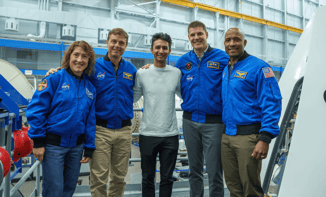
Three years later, I have visited NASA, reported from Black Girls Code summer camps, blacked out in the back seat of a Blue Angels F-18, and interviewed firefighters, aerospace engineers, biotech founders, and twelve-year-olds who can already code better than most adults I know. And I have learned more about science, technology, engineering, and math from making this show than I ever expected.
Here is what hosting a STEM TV show actually taught me.
1. Kids Are Not the Future. They Are the Present.
Every adult I have ever interviewed on STEM City has said some version of the same thing: "The kids are going to change the world." I used to nod and move on. Then I actually started spending time with those kids.
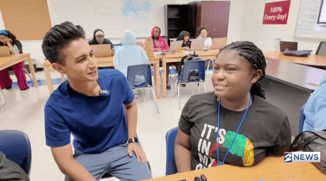
At a Black Girls Code camp in Houston, I watched a group of eleven and twelve-year-olds build AI-powered applications in a single afternoon. They were not dabbling. They were debugging, iterating, and presenting their results with confidence. These students were not waiting to grow up before engaging with hard problems, they were already doing it. I visited the National STEM Festival and met high schoolers fluent in medical terminology that I didn’t encounter till medical school explain to me novel concepts on the cutting of medicine.
The biggest lesson: don't talk down to young people about science. Show them the real thing, the messy, exciting, unsolved real thing, and they will meet you there and exceed your expectations every time.
2. Storytelling Is the Most Underrated STEM Skill
Nobody falls asleep during a great story, but plenty of people tune out during a lecture. I have watched brilliant scientists lose an audience in sixty seconds because they led with data instead of a narrative. I have also watched a paramedic describe the biochemistry of adrenaline using nothing more than a story about a car crash, and have an entire room holding its breath.
As a physician, I already understood this intuitively. When I explain a diagnosis to a patient, I do not hand them a journal article, I tell them a story about what is happening in their body and why it matters. STEM City gave me the chance to do that same thing at scale.
The most effective STEM communicators I have met, from NASA engineers to teen robotics champions, all share one trait - they know how to make you feel something before they try to teach you something. That's not just a soft skill, it's the superpower that separates good science communicators from great ones.

3. Representation Changes Everything
I grew up as a first-generation American. My parents came to this country with nothing but ambition and a belief that education could rewrite your story. When I was young, I did not see many people who looked like me in science or medicine on television. You cannot aspire to what you cannot see.
STEM City has been intentional about featuring scientists, engineers, and innovators from every background Houston has to offer, which is a lot. Houston is one of the most diverse cities in America, and its STEM ecosystem reflects that. When a young Black girl or a Latino kid from the East Side watches our show and sees someone who looks like them building something extraordinary, something shifts. I have seen it happen in real time.
Platforms like PocketLab are doing the same work in classrooms. When every student, regardless of zip code or background, has access to real scientific tools and real scientific experiences, the pipeline for the next generation of innovators gets wider. That matters more than any individual episode I will ever film.
4. Science Is Everywhere, If You Know How to Look
STEM City has taken me places I never anticipated and what surprised me most was not the technology itself, but how it shows up when you train yourself to notice it.
A Harris County firefighter walks me through the chemistry of how fires spread and why certain materials accelerate combustion faster than others. A Blue Angels pilot straps me into the back seat of an F-18 and, somewhere over the Gulf of Mexico, I black out from the G-forces before coming back to consciousness with a new appreciation for aerospace physiology and what the human body can endure. A teenager building a water filtration device for her science fair tells me about the public health crisis that inspired her project. STEM is not a group of subject’s, it is a lens to view the world through.

5. The Goal Is Curiosity, Not Content
Early on, I wanted every episode of STEM City to be comprehensive. I wanted viewers to walk away knowing exactly how something worked. A producer pulled me aside after one of our early shoots and said something I have never forgotten: Your job isn't to explain everything, your job is to make them so curious that they can't help but Google it the moment the credits roll.
The best science education doesn't fill a cup, it lights a fire inside someone that keeps burning long after the lesson ends. Whether you are a television host, a classroom teacher, or a parent trying to get your kid interested in biology, the goal is the same: spark something. Leave a question unanswered. Show them the edge of what we know. Make them feel the pull of the unknown.
That is what STEM City has always tried to do. And now that the show is available on PocketLab, I hope it finds its way into classrooms, after school programs, and living rooms where a kid is sitting on a couch and suddenly realizes that the world is a more interesting place than they thought.
https://owaisdurrani.com/



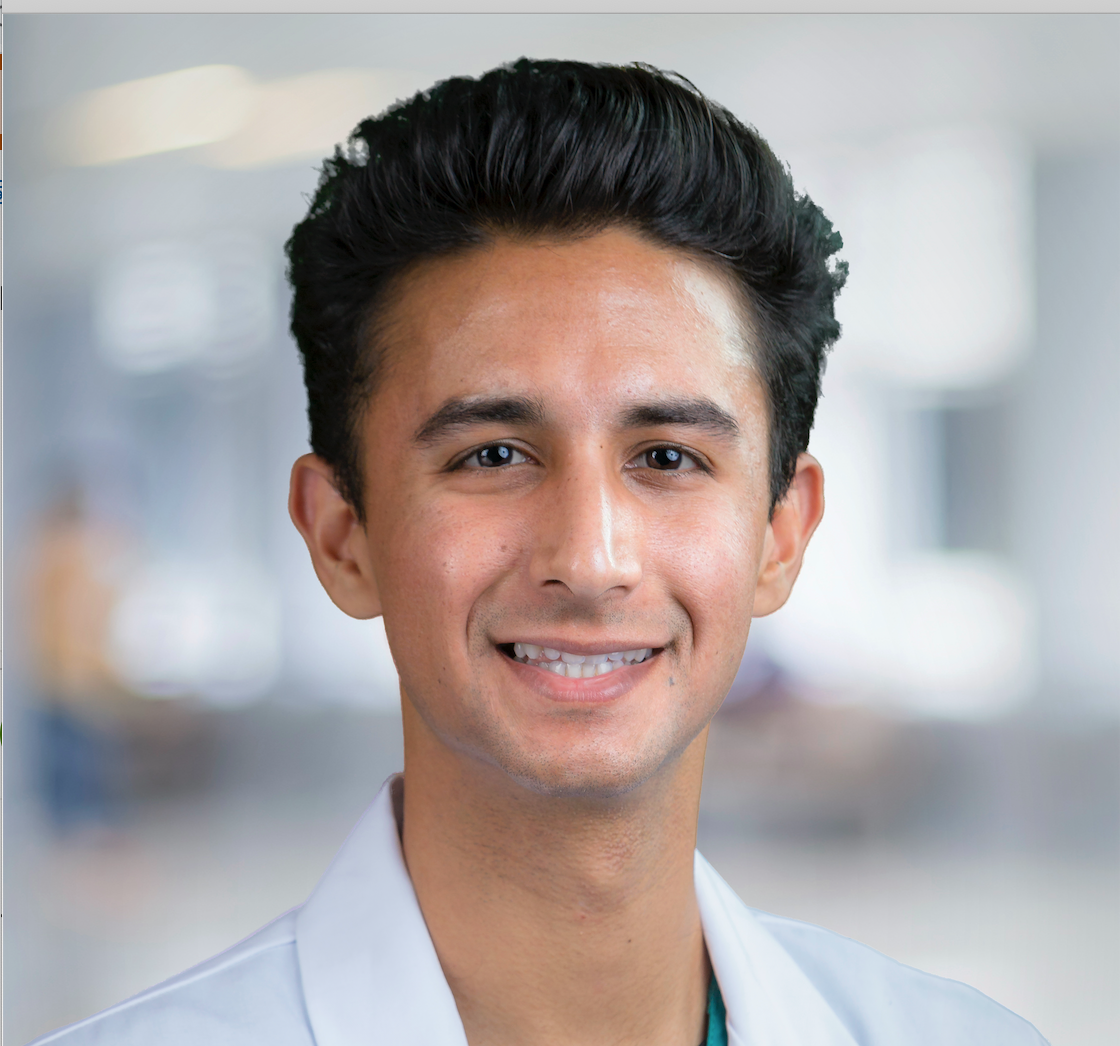 Dr. Owais Durrani
 Conceptual Academy : Feb 13, 2026, 10:20:13 AM