🔬 Real-World Science in Action: How PocketLab is Powering Learning at the University of Northern Iowa
At the University of Northern Iowa (UNI), students and faculty are using PocketLab sensors to connect classrooms, campus, and community through the power of real-world science—and it’s inspiring a new wave of hands-on, inquiry-based STEM education.
As part of the 2023 Summer Undergraduate Research Program (SURP), students Isabel Harms and Alexa Sedlacek led a multi-faceted exploration of PocketLab devices, examining how they could be used to support teaching, learning, and research across a variety of disciplines—from Earth and Environmental Science to interior design.
View UNI's PocketLab plan
🌎 Teaching Science That Matters
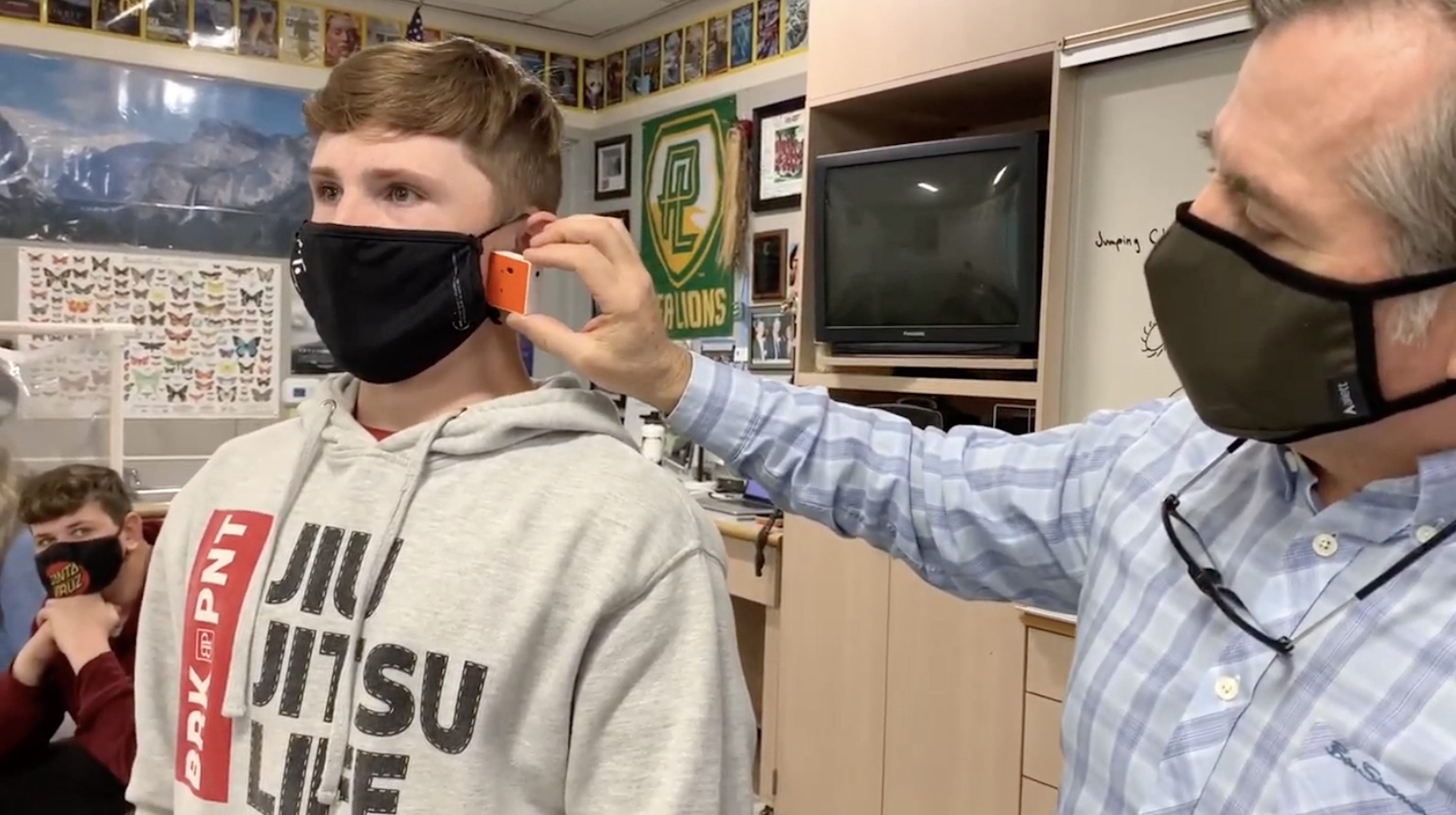
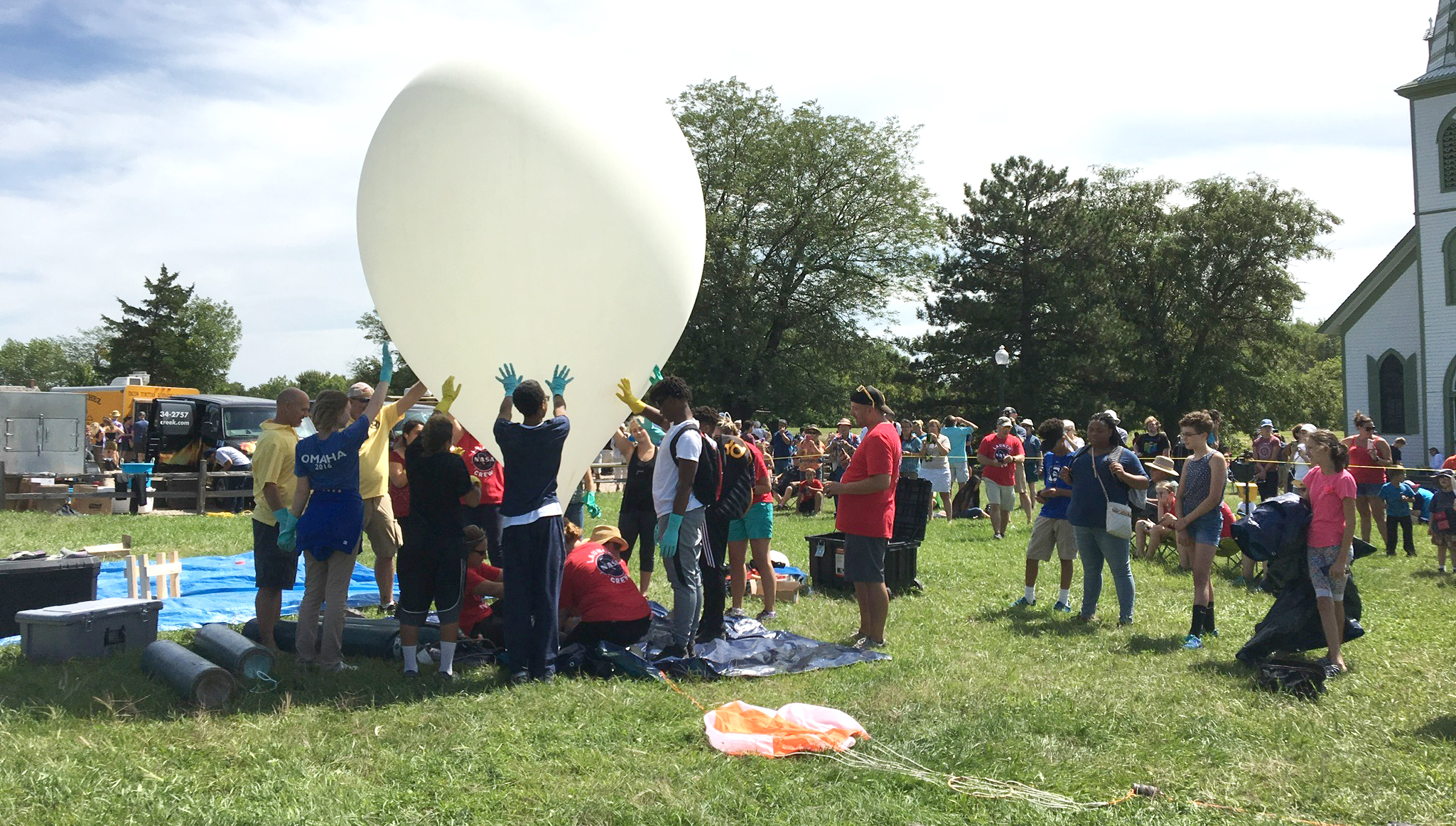
In a summer marked by record heat and hazardous air quality from Canadian wildfires, UNI used PocketLab Air, Voyager, Thermo, and Weather devices to explore environmental issues that impact our daily lives. These citizen science tools allowed middle and high school students to collect real-time data on:
-
Air quality indoors vs. outdoors
-
Temperature differences on grass vs. concrete
-
Humidity, barometric pressure, and light intensity
-
Particulate matter levels in art rooms and chalkboard-equipped classrooms
By designing and testing their own hypotheses, students engaged in authentic science practices—and teachers gained a valuable tool for bringing these issues to life in the classroom.
🧪 Built for Classrooms, Validated by Students
While students discovered some minor troubleshooting challenges (like charging quirks), the devices proved reliable and intuitive for both instructors and learners. The data collected spurred rich conversations about climate change, public health, urban heat islands, and the role of science in everyday life.
Educators at UNI are now incorporating PocketLab into:
-
Weather and environmental science courses
-
Cross-disciplinary collaborations (like interior design!)
-
Research projects involving statistical validation of device data
-
Self-guided environmental campus tours
📚 A Model for K–12 Science Programs
What’s happening at UNI mirrors what K–12 science classrooms across the country are embracing: real-world learning, student agency, and the integration of NGSS-aligned tools that make abstract concepts visible. PocketLab’s accessibility and versatility make it a perfect match for this educational moment.
If you’re a science educator or district leader looking to bring high-impact, real-time data collection into your classroom, the work at UNI offers a compelling example—and a reminder that science doesn't have to stay in the lab.
💡 Want to Learn More?
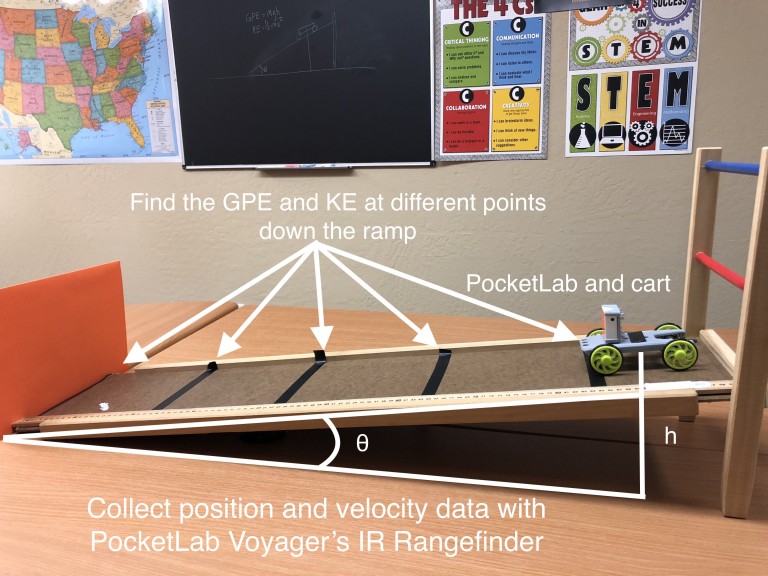
Explore PocketLab's full line of sensors and pre-built lessons at thepocketlab.com, or check out how other educators are using PocketLab to investigate air quality, energy transfer, motion, weather systems, and more.
Let’s keep building the future of science education—one real-world experiment at a time.